

Welcome back to the Spanish Spoken Lessons blog.
Here you’ll find all the information we post on social media, in a more organized format. Our goal is to help students at any level avoid common pitfalls, gain interesting insights and improve their grasp on Spanish grammar.
So let’s get started.


MÚLTIPLES SIGNIFICADOS
Seguro
Some words in Spanish present a challenge for students because they have multiple meanings in English.
Seguro is one of them. Do you know all the potential translations for it?
Seguro is an adjective that describes a feeling of confidence, certainty or the idea of safety.
There are a few potential translations for this term:
safe
confident
sure
secure


EJEMPLO:
Quiero mudarme porque mi vecindario actual no es muy seguro.
I want to move because my current neighborhood is not very safe.

EJEMPLO:
Los estudiantes están muy seguros de que van a aprobar ese examen.
The students are very confident they are going to pass that test.

EJEMPLO:
Todavía no estamos seguros si vamos a tener tiempo de ir a la fiesta.
We are not sure yet if we are going to have time to go to the party.

EJEMPLO:
Las autoridades tuvieron que llevar al testigo a un lugar seguro.
The authoritites had to take the witness to a secure location.


EXPLICACIONES BREVES
Tan, tanto, tantos
Algunos estudiantes de español tienen dificultades para usar tan, tanto y tantos correctamente.
¿Sabes en qué casos debes usar cada una de estas palabras?

Tan: se usa con adjetivos y por lo tanto no cambia con el género o número de la palabra que antecede.
Esta ciudad es tan caótica.
This city is so chaotic.Los perros de mis amigos son tan lindos.
My friends‘ dogs are so cute.

Tanto, tanta: se usan con conceptos no contables y deben coincidir con ellos en género y número.
Cumplir mis metas me da tanta satisfacción.
Meeting my goals gives me so much satisfaction.Estoy bajo tanto estrés.
I‘m under so much stress.

Tantos, tantas: se usan con conceptos contables y deben coincidir en género y número con el sustantivo.
Tu tío tiene tantas anécdotas.
Your uncle has so many anecdotes.Hay tantos correos en mi buzón.
There are so many emails in my inbox.


EJEMPLO:
Este proyecto es tan grande que no sé cuando podremos terminarlo.
This project is so big that I don‘t know when we‘ll be able to finish it.

EJEMPLO:
Ellos tienen tanto tiempo libre que casi siempre están visitando otro país.
They have so much spare time they are almost always visiting another country.

EJEMPLO:
Tenemos tantos primos que a veces confundimos sus nombres.
We have so many cousins that sometimes we mix up their names.

PUNTOS DE GRAMÁTICA
Estar vs ser pt. 2
Un problema común para algunos estudiantes de español es entender la diferencia entre los verbos estar y ser, ya que ambos son equivalentes del verbo ‘to be’.
¿Sabes en qué situaciones y casos específicos debemos usarlos? Aquí continuamos con la explicación.

Estar vs ser:
Para distinguir estos verbos es muy importante entender qué tipo de información nos aporta cada uno.
Con el verbo ser nos referimos a la IDENTIDAD de un sujeto, y con el verbo estar hablamos del estado ACTUAL de ese sujeto.
Analicemos los detalles. ↓
Verbo ser → IDENTIDAD
A un nivel básico el verbo ser describe características fundamentales de quién es una persona o cómo es un objeto.
Ella es profesora.
She is a teacher.Los gatos son lindos.
Cats are cute.

Eres un buen abogado.
You are a good lawyer.Ellas son francesas.
They (female) are French.Somos muy competitivos.
We are very competitive.Este es un pueblo bonito.
This is a pretty town.

Verbo estar → ACTUALIDAD
Estar nos da detalles actuales sobre un sujeto: cómo se siente, dónde está, si está en buenas o en malas condiciones, etc.
Estamos trabajando.
We are working.El café está caliente.
The coffee is hot.

Estás demasiado ocupado.
You are too busy.Los museos están cerrados.
The museum is closed.Estáis en problemas.
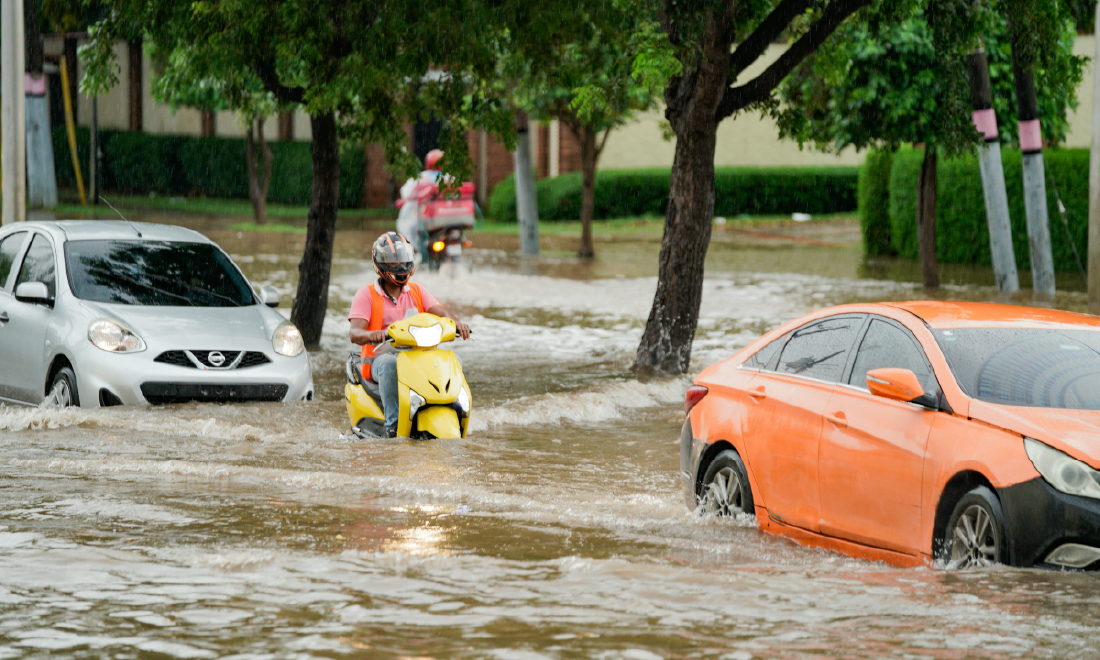
You (plural) are in trouble.La ciudad está inundada.
The city is flooded.
TRADUCE LAS SIGUIENTES ORACIONES USANDO ESTOS VERBOS.

My brother is a chef and he is about to open a new restaurant. I‘m very excited for him.

These are young people and they are really worried about their future because their country is in turmoil.
¡GRACIAS POR LEER!
Regresa cada lunes y encontrarás más información interesante sobre el español.